
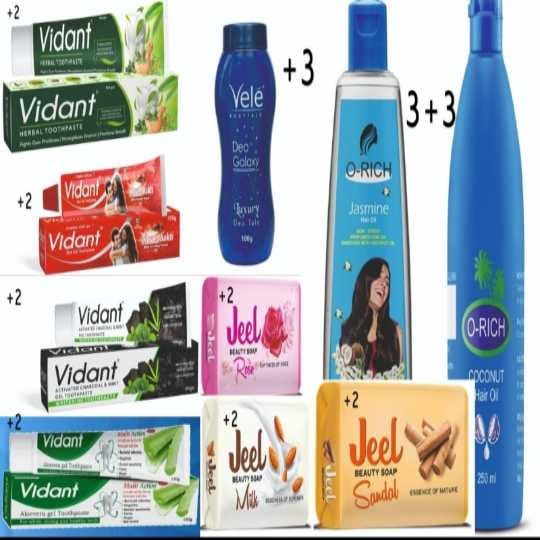

HEALTH CARE KIT
₹2122
(Price Include All Tax)
10PV
DESCRIPTION
On the flip side, one of the qualms about bar soap is that it has a higher pH. Nekrasas says bar soap has a pH between nine and ten, which can't be lowered because of the multiple steps necessary to formulate it. Washing the body with a bar soap that has a pH higher than the skin's can cause dryness for some people, especially those with sensitive skin, Goldbach notes. However, it is important to note that many of today's bar soap products contain oils and moisturizers to try to counteract this.
Beyond that, many bar soaps are notorious for leaving behind a residue. "Body soaps are known to create a sliminess or residue on both the skin and shower that some people find unpleasant," Goldbach says.
The Pros and Cons of Body Wash
Most people love the way body washes make their skin feel. They are often formulated with gentle, calming, and hydrating ingredients. Some even contain emollients and ceramides to make the skin feel soft without disrupting the skin's barrier or natural oils. "Other ingredients can be added to a body wash to boost skin health," Goldbach adds.
Compared to bar soap, body washes are a bit more hygienic since they are housed in tubes or bottles. This ensures that the formula does not come into contact with water or other elements and potentially grow bacteria. Unlike bar soap, the pH of a body wash can also be tailored during formulation and manufacturing. A body washes pH level is often closer to that of the skin, which is why Goldbach says body washes benefit those with very dry skin.
One of the drawbacks of liquid body washes is that there's no way around using plastic packaging. Even though many brands use recycled packaging (or make their packaging recyclable), it still adds waste to the environment. Another point of differentiation is that body washes require preservatives to prevent them from growing mold, which Goldbach says may make it less ideal if you are looking for more of a "clean" product.
PRODUCT DETAILS
No body care routine is complete without the perfect cleanser. And when it comes to cleansing our skin below the neck, the two most popular options are bar soap and body wash. Both help refresh and rejuvenate our skin, but each format has its pros and cons. To help us better understand the differences and similarities between the two, we spoke with a dermatologist and cosmetic chemist. Ahead, they share everything you need to know about bar soap and body wash so you can determine which one is best for you and your skin.
INGREDIENTS
Bar soap and body wash are composed of cleaning agents, and both products aim to lift dirt and oil from the skin. However, the formulation and process of creating each are different. "Bar soap goes through a caustic process that involves heating oil and wax and adding lye," Nekrasas explains. Then, the mixture is cured for six to eight weeks, evaporating the chemical ingredients."
Liquid body wash does not require the same manufacturing process and is generally associated with being a bit milder and not as stripping as bar soap. "Body wash also contains water, so it's not as concentrated of a product," Goldbach says. Washes are also ideal for targeting certain skin types and conditions. For example, Nekarasas adds that oils, extracts, moisturizing, clarifying, or exfoliating ingredients can easily be added to body washes to target specific skin issues.
HOW TO USE IT?
One of the biggest selling points of bar soap is that its formula is waterless. Since bar soap is void of water, it's less likely to breed bacteria (unless it is improperly stored in water), and therefore, little or no preservatives are needed in the formula. Another plus? Bar soap requires less packaging. Save for a paper sleeve or cardboard box; there is no hefty packaging or plastic required for bar soap. This makes it a more environmentally friendly option that's also easy to store.
On the flip side, one of the qualms about bar soap is that it has a higher pH. Nekrasas says bar soap has a pH between nine and ten, which can't be lowered because of the multiple steps necessary to formulate it. Washing the body with a bar soap that has a pH higher than the skin's can cause dryness for some people, especially those with sensitive skin, Goldbach notes. However, it is important to note that many of today's bar soap products contain oils and moisturizers to try to counteract this.
Beyond that, many bar soaps are notorious for leaving behind a residue. "Body soaps are known to create a sliminess or residue on both the skin and shower that some people find unpleasant," Goldbach says.
The Pros and Cons of Body Wash
Most people love the way body washes make their skin feel. They are often formulated with gentle, calming, and hydrating ingredients. Some even contain emollients and ceramides to make the skin feel soft without disrupting the skin's barrier or natural oils. "Other ingredients can be added to a body wash to boost skin health," Goldbach adds.
Compared to bar soap, body washes are a bit more hygienic since they are housed in tubes or bottles. This ensures that the formula does not come into contact with water or other elements and potentially grow bacteria. Unlike bar soap, the pH of a body wash can also be tailored during formulation and manufacturing. A body washes pH level is often closer to that of the skin, which is why Goldbach says body washes benefit those with very dry skin.
One of the drawbacks of liquid body washes is that there's no way around using plastic packaging. Even though many brands use recycled packaging (or make their packaging recyclable), it still adds waste to the environment. Another point of differentiation is that body washes require preservatives to prevent them from growing mold, which Goldbach says may make it less ideal if you are looking for more of a "clean" product.
FAQ BY CUSTOMERS
Can I take L theanine with coffee ?